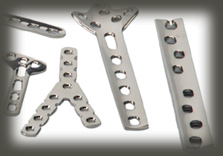
Basic Healthcare has introduced a complete range of trauma implements
B-SaF.
The best design features of biocompatible sterile and flawless implements helps in
SAFE and EFFECTIVE treatment of internal fixation of bones.
B-SaF
features that make it SAFE and EFFECTIVE
Biocompatible - Raw material used for the
manufacturing of B-SaF trauma implements is as per the guidelines of International
Organization for Standardization (ISO). This guideline helps in offering
biocompatible implements.
Sterile - There are chances of post surgical
infection after internal fixation. To avoid these infections the product should
delivered in sterile form. It is also important to maintain the product
sterility, till the time it reaches surgery table.
Flawless - There are small
micro-discontinuities present on the surface of the metal implement. These micro
discontinuities provide a chance for the development on microbial colonies. To
avoid contamination of the implement the surface finishing of the implement is
required.
Moreover, body is an aqueous environment which may lead to corrosion of the
metal implement. These results in the release of oxides, which are harmful for
body tissues and cause cell lysis. Therefore corrosion resistance of the
implement, should be improved.
Biocompatibility (Read
more)
A material is biocompatible if the body can function together with it without any complications like allergic or adverse reactions. An implement is biocompatible if the body undergoes the normal healing process after surgery .It is critical to look at the effects of the material on the surrounding tissues, but also on the effects of tissue on the implement material. There can be damage to the cells if tissue causes changes in the implement material. (e.g Wear and tear – creating small particles or corrosion)
The Biocompatibility of an implement is closely related to its chemical composition and material properties. The international standardization like ISO has defined the chemical composition of the implements materials. This standardization helps in developing the implements which are biocompatible and widely accepted.
Biocompatible
B-SaF
The best recommended Biomedical Grade material is used in
manufacturing of
B-SaF
implements.
ISO -5832-1 for SS ISO -5832-2 for titanium
Sterile (Read
more)
The inability of an organism to reproduce is termed as sterile or sterility. There are various techniques to inhibit the reproduction and growth of micro-organisms .These techniques are termed as sterilization techniques. The presence and growth of micro-organisms on the surface of the implement material, make it unfit for the use. Therefore, to avoid this microbial contamination, finished product should be sterilized by validated sterilization techniques.
Also, there are chances microbial contamination of the implement during its transportation and if storage conditions are not good. These contaminations are difficult to eradicate by standard sterilization processes. To avoid the microbial contamination of the implements, the sterile implement should be packaged in manner which maintains the product sterility.
Sterile
B-SaF
Validated Sterilization process and product packaging ensure sterile
B-SaF
implements.
The validated
steam sterilization process is used for
sterilization of implements. -
The finished product is packaged in Double
Tyvek Pouch Packaging to ensure the product
sterility till it reaches the surgery table.
Flawless (Read
more)
The flawless feature of the implement is related to its surface finish and corrosion properties.
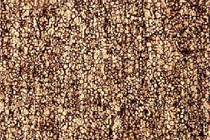
Surface Finish - If we will observe a standard metal implement under microscope, we will see small micro –discontinuities or pits on its surface. These micro discontinuities are not visible under normal vision. These micro discontinuities provide the chance for growth of micro –organisms. To avoid such contamination the surface of the implements should improved.
Corrosion Resistance - The one mechanism that causes implements to fail is aqueous corrosion. Corrosion is unavoidable because the body is an aqueous medium containing various ions and
organic substances, forming an electrolyte medium. The release of corrosion products may elicit an adverse biological reaction in the host . The presence of corrosion particle and wear product in the tissue surrounding may result in series of events leading to periprosthetic bone loss.
Therefore, it is critical to have an implement with improved surface finish and high corrosion resistant potential.
Flawless
B-SaF
The European Nano-Technology process improves the surface finish and
corrosion resistance of implements.
|
 |
 |
|
Micro
Surface of other Implements
|
Micro
Surface of B-SaF
|
Product Presentation |
|
|
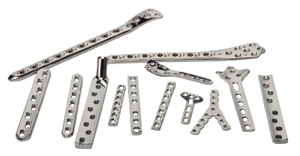
B-SaF
Plates |
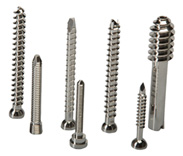
B-SaF
Screws |
|
|
|
|
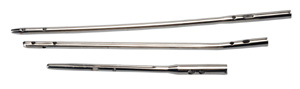
B-SaF
Nails |
|